
You’re probably wondering where to turn when a tooth problem suddenly derails your day in Ashburn, VA. If pain, a broken tooth, or swelling strikes, act quickly — prompt emergency dental care in Ashburn can relieve pain and prevent long-term damage. The article explains how to recognize true dental emergencies, what to do before you reach a dentist, and what to expect at an urgent appointment.
This piece also covers family-focused care options and modern treatments available nearby, plus practical tips for preventing future emergencies and navigating costs and insurance. By the end, you’ll feel prepared to handle a dental crisis calmly and get the right care fast.
Recognizing Dental Emergencies
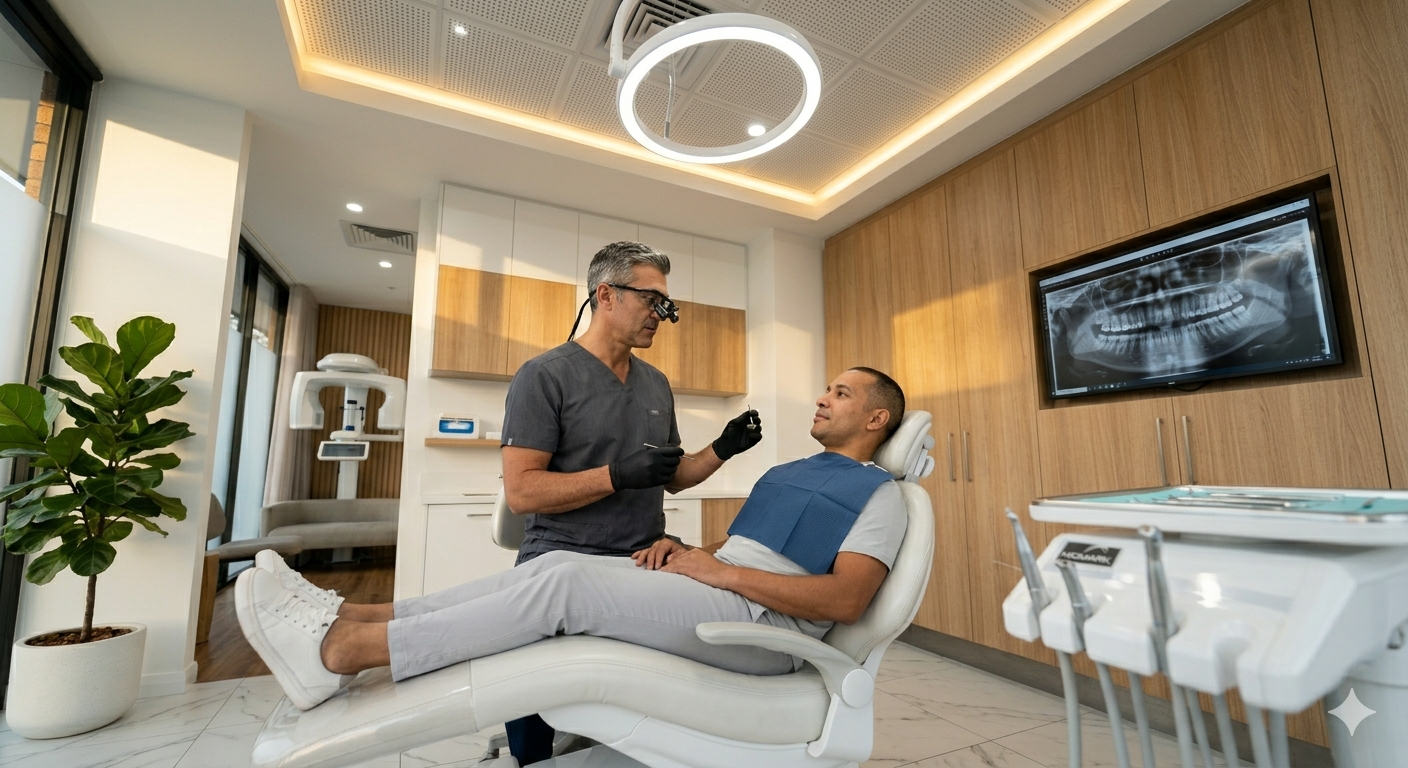
Patients should watch for intense pain, sudden swelling, uncontrolled bleeding, knocked-out teeth, and signs of infection. Quick recognition and timely action can prevent complications and improve outcomes.
Common Signs of an Urgent Dental Problem
Severe, persistent tooth pain that prevents sleeping or eating often signals an infection or deep decay that needs prompt care. Pain that intensifies with tapping or biting can indicate a cracked tooth or exposed nerve.
Rapid, visible swelling of the face, gums, or neck suggests spreading infection and raises concern for airway compromise. Fever paired with oral pain or swelling increases the likelihood of a systemic infection needing immediate treatment.
Uncontrolled bleeding after a tooth extraction or injury that does not stop with 10–15 minutes of pressure requires urgent evaluation. Any numbness after facial trauma or a tooth out of alignment after impact also warrants fast professional assessment.
Situations That Require Immediate Attention
A tooth completely knocked out (avulsed) requires re-implantation within 30–60 minutes for the best chance of success. Keep the tooth moist in milk or saline and avoid touching the root while transporting the patient to the dentist or ER.
Severe facial swelling limiting mouth opening, breathing, or swallowing needs emergency care without delay. Signs of spreading infection — increasing redness, warmth, fever, or swollen lymph nodes — should prompt urgent antibiotic and dental intervention.
Bleeding that soaks multiple gauze pads in under an hour after trauma or extraction, dizziness from blood loss, or persistent, worsening toothache with fever are all red flags. Dental trauma with loose or displaced teeth after a blow also merits immediate attention.
Differences Between Urgent and Non-Urgent Issues
Urgent issues cause severe pain, risk permanent damage, or threaten general health; non-urgent problems cause mild discomfort or cosmetic concerns. For example, a minor chipped tooth without pain can wait for a scheduled appointment, while a deep chip exposing pulp needs faster care.
Swelling and fever usually move a problem into the urgent category because of infection risk. Conversely, a lost filling with no pain can often be temporarily managed with dental wax and scheduled repair within days.
Pain that responds to over-the-counter pain relievers and shows steady improvement is less urgent than pain that escalates or returns quickly after medication. When in doubt, contact a dental professional for guidance on timing and next steps.
What To Do Before Reaching the Dentist
Act quickly, stay calm, and prioritize pain control, bleeding control, and preservation of any detached tooth pieces. Small, practical steps taken before arrival can improve treatment options and reduce complications.
First Steps for Toothaches
If a toothache begins, they should rinse the mouth gently with warm salt water (½ teaspoon salt in 8 ounces of water) to reduce bacteria and loosen debris. They can floss gently around the sore tooth to remove trapped food but must avoid vigorous probing that could worsen pain.
For immediate pain relief, an over-the-counter analgesic such as ibuprofen or acetaminophen taken at the recommended dose helps until professional care is available. They can apply a cold pack to the cheek for 10–15 minutes to reduce swelling and dull pain; repeat every 20 minutes as needed.
They should avoid placing aspirin directly on the gum or tooth, which can burn tissue. If the pain follows trauma or lasts more than 24–48 hours, they should contact an emergency dental provider in Ashburn, VA, for evaluation and imaging.
Managing Broken or Knocked-Out Teeth
For a broken tooth, they should collect any large fragments and store them in milk or saline; these pieces may sometimes be reattached. Rinse the mouth with warm water to clean the area, and apply gauze for any bleeding until it stops.
If a tooth is completely knocked out, they must handle it by the crown (top) only—avoid touching the root. If possible, gently rinse dirt from the tooth (do not scrub) and attempt to reinsert it into the socket, holding it in place for a few minutes. If reinsertion isn’t possible, place the tooth in cold milk or sterile saline; as a last resort, keep it in the mouth against the cheek.
Seek urgent dental care within 30–60 minutes for the best chance of reimplantation. Bring the tooth and any fragments to the appointment, and note any medications or medical conditions before arrival.
Handling Bleeding or Swelling
For active oral bleeding, they should apply firm pressure with sterile gauze directly to the bleeding site for 15–20 minutes without checking repeatedly. If bleeding persists after 30 minutes of continuous pressure, they should seek emergency dental or medical care.
To control swelling, apply a cold compress or ice pack to the outside of the cheek in 10–15 minute intervals. For suspected infection with swelling and fever, they should contact a dentist promptly; infections can progress quickly and sometimes require antibiotics or drainage.
If breathing or swallowing becomes difficult, or if swelling rapidly worsens, they must call emergency medical services immediately rather than waiting for a dental appointment. Bring a list of current medications and any allergies to the visit to guide safe treatment.
Personalized Care for Families in Ashburn
Families can expect care that fits each age and situation, with quick access to same-day appointments, child-focused pain control, and options for anxious or mobility-limited patients. The practice coordinates records, insurance details, and follow-up plans so every family member gets appropriate, timely treatment.
Pediatric Dental Emergencies
When a child chips a tooth, knocks one out, or develops sudden severe tooth pain, the team prioritizes rapid assessment and pain relief. Providers trained in pediatric emergency dentistry use child-size instruments, topical and local anesthetics suitable for young patients, and behavior guidance techniques to reduce fear.
If a permanent tooth is avulsed, clinicians instruct caregivers to handle the tooth by the crown, rinse gently if dirty, and bring the tooth in moist storage (milk or saliva) for possible reimplantation within an hour. For fractured baby teeth, treatment focuses on comfort and infection prevention rather than aggressive restoration.
The office offers clear home-care instructions after emergency care, including pain medication dosing by weight, signs of infection to watch for, and scheduling for definitive restoration or monitoring. Staff also help file insurance claims and explain out-of-pocket estimates for restorations, extractions, or splinting when needed.
Emergency Services for Seniors
Older adults often face complex emergencies tied to root decay, failing restorations, or dry mouth from medications. Clinicians review medical history and current prescriptions before treatment to avoid drug interactions and complications.
Care plans emphasize minimally invasive options when possible—antibiotics and palliative procedures to stabilize pain, followed by definitive treatments like crowns, extractions with bone-preserving techniques, or implant planning when medically appropriate.
The office provides chair-side mobility assistance, extended appointment times, and coordination with caregivers or primary physicians for patients with dementia, diabetes, or cardiac conditions. Financial counseling outlines Medicare/insurance limitations and alternative payment options for necessary emergency procedures.
Support for Patients With Dental Anxiety
Patients with dental anxiety receive a calm, predictable pathway from first phone call to post-treatment follow-up. Staff train in communication strategies that explain each step before it happens and offer distraction techniques like music or video eyewear.
Sedation options range from nitrous oxide for mild anxiety to oral or IV sedation for more severe cases, with pre-sedation screening and post-procedure recovery protocols tailored to age and medical history.
Practices use gradual desensitization visits, where patients meet the team and experience noninvasive steps (seat comfort, instrument demonstration) before emergency treatment. Clear written instructions and a named contact for questions after hours help reduce repeat visits driven by anxiety.
Modern Treatment Options for Urgent Dental Needs
This section outlines practical, modern approaches to common urgent dental problems: fast restorations, targeted pain control, and precise diagnostics. Each option emphasizes speed, comfort, and predictable outcomes to get patients back to everyday life quickly.
Same-Day Restorations
Same-day restorations use CAD/CAM technology to design and mill crowns, inlays, onlays, and some veneers during a single visit. The dentist scans the tooth with an intraoral scanner, designs the restoration on a computer, and mills a ceramic piece in-office, typically within 60–90 minutes.
Benefits include avoiding temporary crowns, fewer appointments, and better fit because the dentist can adjust occlusion and margins immediately. Materials like lithium disilicate offer strength and good esthetics for posterior and anterior teeth. Same-day restorations suit fractured teeth, large failed fillings, and single-tooth crown needs when there’s sufficient tooth structure.
Limitations include complex full-mouth cases, deep subgingival margins, or when labs are needed for specialized shading. The dentist will assess pulp health, bite relationships, and available tooth structure before choosing same-day options.
Advanced Pain Relief Techniques
Modern urgent care combines local anesthetics, targeted nerve blocks, and pharmacologic strategies for rapid pain control. Dentists commonly use long-acting local anesthetics (bupivacaine) for prolonged relief after treatment, and buffered lidocaine to reduce injection discomfort and speed onset.
For severe dental pain, a targeted inferior alveolar or periodontal ligament (PDL) injection can numb only the affected tooth area without widespread facial numbness. When infection is present, dentists prescribe short courses of antibiotics (amoxicillin or clindamycin if penicillin-allergic) alongside drainage procedures to remove pus and lower pressure.
Adjunctive measures include topical benzocaine for mucosal pain, NSAIDs for inflammatory pain control, and consultation with the patient’s physician for opioid-sparing strategies when necessary. Dentists discuss risks, expected duration of anesthesia, and post-treatment pain plans before proceeding.
State-of-the-Art Diagnostic Tools
High-resolution digital X-rays, cone-beam computed tomography (CBCT), and intraoral scanners form the diagnostic backbone for urgent dental care. CBCT offers 3D views of roots, fractures, and surrounding bone, which proves critical when evaluating trauma, suspected root fractures, or complex infections.
Intraoral cameras and transillumination devices help detect cracks, caries, and margins visually without invasive probing. Digital radiography reduces radiation exposure and produces instant images for faster decision-making. These tools enable precise treatment planning—determining whether root canal therapy, extraction, or restorative work best addresses the emergency.
Dentists combine imaging findings with clinical tests—percussion, bite, thermal sensitivity—to gauge pulp vitality and infection extent. Clear imaging plus targeted clinical tests reduce unnecessary procedures and speed definitive care.
What to Expect at Your Emergency Appointment
Patients can expect prompt evaluation, focused treatment to control pain or stop bleeding, and clear next steps for follow-up care. Staff prioritize comfort, quick diagnostics, and scheduling any necessary specialist referrals or procedures.
Walk-In and After-Hours Availability
Most Ashburn emergency dental clinics accept walk-ins and keep extended hours on weekdays and weekends to handle sudden issues like severe toothache, trauma, or swelling. Reception staff triage calls and arrivals, asking about symptoms, medication, and any allergies to determine urgency and assign a clinician immediately.
On arrival, patients complete a brief medical history and consent form; bring photo ID and insurance card if available. Clinicians perform a focused exam and often take digital X-rays within minutes to identify fractures, abscesses, or impacted teeth. If extractions, root canal therapy, or suturing are needed, staff explain the procedure, timeframe, and cost estimate before treatment begins.
Comfort-Focused Approach
Clinics use local anesthetics, topical gels, and oral or nitrous oxide sedation when appropriate to reduce pain and anxiety. Dental teams explain each step in plain language and check pain levels continuously during treatment to adjust anesthesia and technique.
Comfort extends beyond anesthesia: soft pillows, music, and warm blankets often help patients relax. Staff reviews post-treatment pain management, prescribes antibiotics or analgesics when indicated, and provides written aftercare instructions for swelling control, diet restrictions, and signs that require immediate return.
Follow-Up and Ongoing Care
After the emergency visit, clinicians schedule follow-up appointments tailored to the diagnosis—usually within 3–7 days for root canal completion, 1–2 weeks for suture removal, or sooner if infection risk is high. They provide a printed care plan listing recommended procedures, timelines, and estimated costs.
If a specialist (oral surgeon, endodontist) is required, the clinic arranges a referral and transfers X-rays and records directly to optimize continuity of care. Staff encourages questions and offers phone or portal access for concerns, medication refills, or unexpected symptoms.
How To Prevent Dental Emergencies
Simple, consistent habits and timely professional care cut the risk of sudden pain, broken teeth, and infections. Focus on daily cleaning, using proper protection during activities, and keeping regular dental visits to catch problems early.
Home Care and Oral Hygiene
They should brush twice daily for two minutes using a soft-bristled brush and fluoride toothpaste to remove plaque that causes decay and gum disease. Floss once daily, reaching below the gumline between teeth and around implants or bridges to prevent pockets and abscesses.
Rinse with an alcohol-free fluoride mouthwash if recommended by the dentist to strengthen enamel and reduce bacteria. Replace toothbrushes every three months or after illness and store them upright to air-dry.
Avoid chewing ice, hard candy, and popcorn kernels. Limit sticky sweets and acidic drinks; when consumed, rinse with water afterward and wait 30 minutes before brushing to avoid enamel abrasion.
Protective Gear for Sports
They should wear a custom-fitted mouthguard for contact sports like football, hockey, and martial arts. Custom guards from a dentist provide better fit and protection than boil-and-bite or stock models, reducing cracked teeth and soft-tissue injuries.
For high-impact recreational activities—mountain biking, skateboarding, snowboarding—use a mouthguard even if the sport isn’t traditionally “contact.” For patients with braces, choose a guard designed for orthodontics to prevent wire damage.
Children and teens should also wear helmets and face shields when appropriate. Keep an extra mouthguard in sports bags, inspect guards monthly for wear, and replace them after a blow or every season.
Routine Checkups and Cleanings
They should schedule dental exams and professional cleanings every six months or as recommended based on risk factors like gum disease, dry mouth, or frequent cavities. Professional cleanings remove tartar that at-home brushing cannot, lowering infection and emergency risk.
Digital X-rays and oral exams detect small cracks, developing decay, and early infections before they require urgent care. Discuss any night grinding, loose teeth, or new sensitivity promptly so the dentist can offer night guards, splints, or restorations.
Keep a list of medications and medical conditions updated with the dental office. Timely treatment planning—such as sealing deep grooves, replacing failing fillings, or treating gum disease—prevents many common dental emergencies and maintains comfort.
Navigating Insurance and Costs in Ashburn
Most patients want to know which expenses insurance will cover and what out-of-pocket costs to expect. This section explains typical emergency coverage, common exclusions, and practical payment options available at Ashburn dental clinics.
Understanding Emergency Dental Coverage
Insurance plans often treat emergency visits differently than routine care. Many PPO and HMO plans cover urgent exams and pain relief but may limit coverage for procedures like extractions, root canals, or crowns performed during the same visit.
Patients should check specific line items: emergency exam, X-rays, tooth extraction, root canal therapy, and sedation. Verify deductibles, annual maximums, and whether the provider is in-network to estimate costs accurately. Medicaid and CHIP in Virginia may cover some emergency services for eligible patients, but prior authorization or clinic participation can vary.
Bring insurance ID, a list of current medications, and any preauthorization numbers to the appointment. Clinics in Ashburn commonly offer a benefits check before treatment and provide written estimates so patients understand what insurance covers versus patient responsibility.
Flexible Payment Solutions
Many Ashburn practices accept major insurers, credit cards, cash, and mobile payments to streamline billing. For larger emergency procedures, clinics often present a written treatment plan with line-item costs and estimated insurance contributions.
Payment plans from third-party lenders such as CareCredit or in-house financing allow patients to spread costs over several months with fixed payments. Some clinics offer sliding-scale fees or discounted cash prices for uninsured patients.
Ask the front desk about interest-free promotional periods, income-based discounts, and veteran or student rates. Requesting an itemized invoice and pre-treatment estimate helps patients compare options and avoid surprise bills.
When to Seek Help and Next Steps
Patients should seek help immediately for severe pain, uncontrolled bleeding, facial swelling, or a knocked-out tooth. These signs can indicate infection, significant injury, or a condition needing urgent treatment.
If a tooth is completely knocked out, pick it up by the crown, rinse gently, and try to place it back in the socket. If that’s not possible, store it in milk or saliva and reach an emergency dental office within an hour for the best chance of saving the tooth.
For sudden severe pain or swelling, call the dental office and describe symptoms; staff will advise whether to come in or go to an emergency room. For broken crowns or lost fillings that don’t cause pain, schedule a same-week appointment to prevent sensitivity or decay.
Use this simple checklist for immediate action:
- Severe pain, uncontrolled bleeding, swelling → seek emergency care now.
- Knocked-out tooth → reinsert or store in milk; see dentist within 1 hour.
- Broken tooth without pain → book prompt dental visit.
- Signs of infection (fever, spreading redness) → seek urgent evaluation.
When arriving at the clinic, patients should bring a list of medications and any insurance information. The dentist will perform an exam, take necessary X-rays, and recommend treatment options ranging from temporary stabilization to definitive repair.
They should ask about pain management, infection control, and follow-up care. A short call to a local dentist in Ashburn, VA, can clarify next steps and set up an urgent appointment.
Frequently Asked Questions
This section answers common, practical concerns about urgent dental problems: what qualifies as an emergency, immediate pain relief steps, handling broken or knocked-out teeth, managing swelling or abscesses, and what to expect during an urgent visit. Each answer gives clear, actionable steps patients can use right away.
What counts as a true dental emergency versus something that can wait until regular hours?
A true dental emergency involves uncontrolled bleeding, severe pain that cannot be managed with over-the-counter medication, visible facial swelling, or a tooth knocked completely out. These situations require same-day evaluation to prevent permanent damage or systemic infection.
Minor issues that can usually wait include a lost filling without pain, mild sensitivity, cosmetic chip with no discomfort, or a loose crown that still fits comfortably. If symptoms worsen or pain intensifies, patients should contact their dental office for an earlier appointment.
If I have a severe toothache, what can I do right now to relieve pain safely until I’m seen?
Rinse the mouth with warm salt water to reduce bacteria and soothe tissues, using one-half teaspoon of salt in 8 ounces of water. Apply a cold compress to the cheek for 10–20 minutes to reduce swelling and numb pain.
Take acetaminophen or ibuprofen per dosing instructions, unless contraindicated by medical conditions or medications. Avoid placing aspirin directly on the gums or tooth; that can damage tissue.
What should I do if I chip or break a tooth, and how quickly do I need treatment?
Rinse the mouth with warm water and save any broken pieces in milk or saline if found; bring them to the dentist. If the chip exposes the inner tooth (dentin or pulp) or causes severe pain, patients should seek treatment within 24 hours to avoid infection and further damage.
For small, painless chips, schedule an appointment during regular hours—cosmetic bonding or smoothing often fixes the problem quickly.
My tooth got knocked out—what steps should I take immediately to improve the chances of saving it?
Handle the tooth by the crown only; avoid touching the root. If dirty, rinse gently with water for no more than 10 seconds; do not scrub or remove tissue fragments.
Try to reinsert the tooth into the socket and hold it in place, or store it in cold milk or specialized tooth-preservation solution. Seek emergency dental care within 30–60 minutes for the best chance of successful reimplantation.
How do I handle a swollen gum, dental abscess, or facial swelling, and when is it urgent?
Facial swelling, fever, or rapid spread of swelling toward the eye or neck is urgent and requires immediate dental or medical care. These signs can indicate a spreading infection that needs antibiotics and drainage.
For localized swelling without severe symptoms, rinse with warm salt water, avoid chewing on the side, and contact the dentist promptly to arrange evaluation and likely antibiotic plus definitive treatment.
What can I expect during an urgent dental visit, and what are common treatment options to get you comfortable fast?
The dentist will assess vitals, take a short history, and perform focused imaging (X-rays) to identify the problem quickly. Pain control often begins immediately with local anesthesia, oral analgesics, or sedative options depending on anxiety and the procedure.
Common urgent treatments include temporary or permanent fillings, root canal therapy for infected teeth, extraction when a tooth cannot be saved, incision and drainage for abscesses, and placement of crowns or splints for fractures. The dentist will explain follow-up care, pain management, and any referrals needed.