

Dental emergencies can happen unexpectedly, and finding the right care quickly in Ashburn is crucial. Whether it’s a sudden toothache, a broken tooth, or an injury, knowing where to turn can make all the difference.
An emergency dentist in Ashburn is available to provide timely treatment to relieve pain and prevent further damage. These professionals offer flexible appointments and use modern techniques to ensure comfort during urgent care.
Many patients worry about what counts as a dental emergency or how to handle the situation before seeing a dentist. Understanding your options and having a local emergency dentist ready can help reduce stress when dental troubles arise.
What To Do In A Dental Emergency
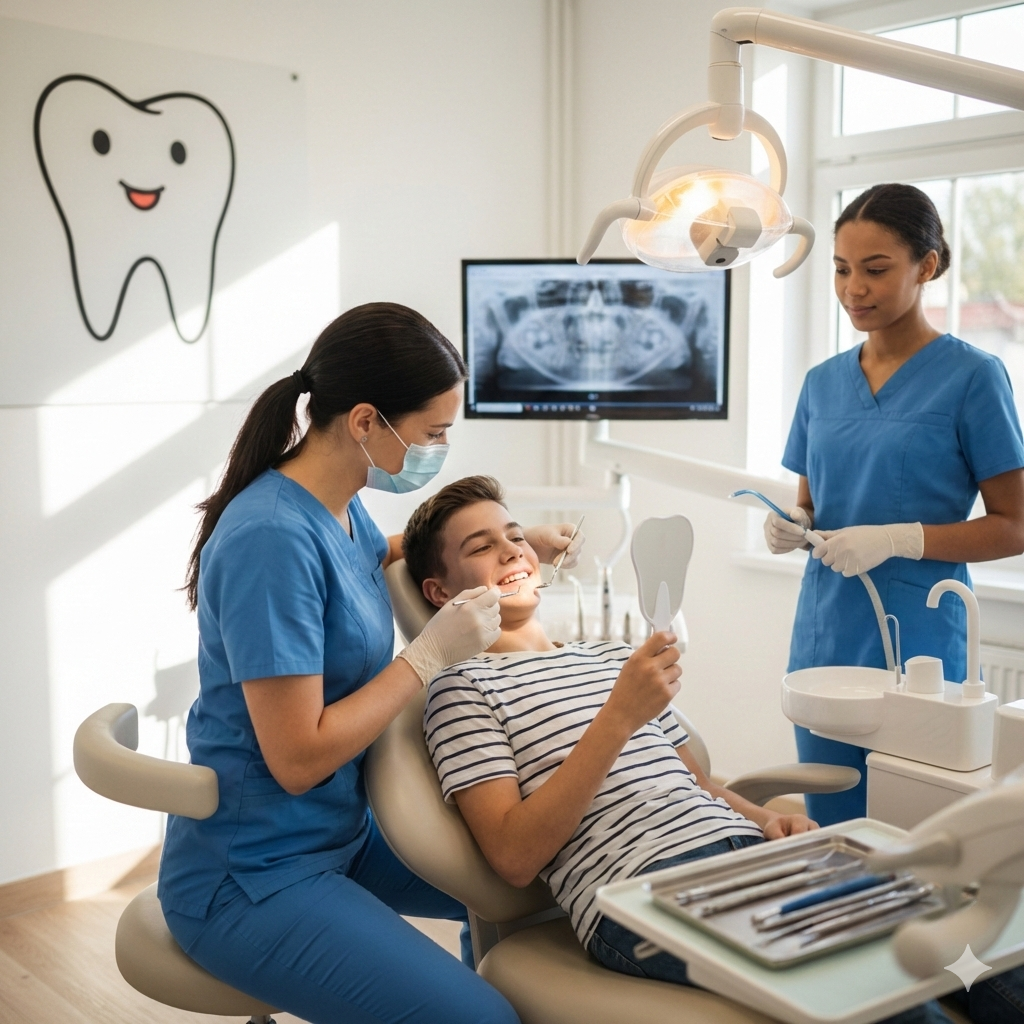
Knowing how to act quickly during a dental emergency can prevent further damage and ease pain. It’s important to spot serious symptoms, take careful steps before reaching the dentist, and manage discomfort safely at home.
Recognizing Urgent Dental Symptoms
Severe tooth pain, especially when sudden or throbbing, signals the need for immediate care. Visible cracks, chips, or a tooth knocked out entirely are urgent signs. Bleeding that doesn’t stop after 10 minutes or swelling that affects breathing or swallowing must be treated right away.
Other serious symptoms include fever linked to tooth pain, indicating infection, or a dental abscess presenting as swelling and pus. If any injury involves your jaw, a dentist or emergency room visit is necessary without delay.
Immediate Steps To Take Before Your Appointment
First, stay calm and gently rinse your mouth with warm water to clear debris. If there’s bleeding, apply firm but gentle pressure with clean gauze or a cloth for 10 minutes. Avoid using aspirin or other blood thinners near the area.
For a dislodged tooth, keep it moist by placing it in milk, saline solution, or inside your cheek and head to the dentist within an hour. Avoid touching the roots. Broken teeth or lost fillings should be saved and brought along for restoration.
How To Reduce Pain And Swelling At Home
Applying a cold compress to the outside of the cheek helps control swelling and dulls pain. Do this for 10-15 minutes on and off every hour. Over-the-counter pain relievers like ibuprofen can decrease discomfort and inflammation, but avoid placing aspirin directly on gums.
Keep your head elevated, especially when lying down, to reduce blood flow to the injured area and minimize throbbing. Avoid hot, cold, or sugary foods that can irritate the injury before professional treatment.
Types Of Dental Emergencies Treated In Ashburn
Dental emergencies vary widely, but some require immediate attention to preserve tooth structure and prevent infection. Quick response to these issues can mean the difference between saving a tooth or needing an extraction.
Chipped Or Broken Teeth
A chipped or broken tooth can happen during a fall, sports injury, or biting something hard. Patients often notice sharp edges or pain when chewing. The severity can range from a small chip to a large fracture exposing the tooth’s inner layers.
In Ashburn, emergency dentists address chipped teeth by smoothing rough edges or repairing them with dental bonding or crowns. If the damage affects the tooth nerve, root canal therapy may be needed. Acting quickly reduces pain and protects the tooth from further damage.
Knocked-Out Teeth
When a tooth is knocked out, immediate care is critical to improve the chances of saving it. The patient should handle the tooth by the crown, not the root, and keep it moist by placing it in milk or saliva. Rinsing gently to remove dirt is essential without scrubbing.
Emergency dentists in Ashburn reimplant knocked-out teeth if the visit happens within an hour of injury. Stabilizing the tooth and prescribing antibiotics or pain medication follows. Patients should seek care immediately to avoid permanent tooth loss.
Severe Toothaches And Infections
A severe toothache often signals underlying issues like decay, abscess, or gum disease. Infections can cause swelling, fever, and persistent pain. Ignoring these symptoms may lead to spreading infection and more complex problems.
Emergency dental care in Ashburn focuses on diagnosing the cause and providing relief through antibiotics, drainage of abscesses, or root canal treatment. Dentists emphasize pain management and stopping infection progression to protect overall health.
Lost Fillings Or Crowns
Fillings and crowns may come loose or fall out due to decay, trauma, or wear over time. This exposes the tooth to sensitivity, discomfort, and risk of further damage. Patients may notice a rough or empty spot where the restoration was.
Ashburn emergency dentists quickly restore or replace lost fillings and crowns to protect the tooth. Temporary fixes may be placed immediately, with follow-up appointments for durable solutions. Prompt treatment prevents pain and keeps the tooth intact.
Choosing The Right Emergency Dentist In Ashburn
Finding the right emergency dentist means focusing on trustworthiness and convenience. Patients need to feel confident in the care they receive and want quick, easy access when pain strikes. The right practice balances expertise, availability, and location to make urgent visits less stressful.
Qualities Of A Reliable Emergency Dental Practice
A dependable emergency dentist in Ashburn prioritizes clear communication and patient comfort. They offer transparent pricing, explain treatment options in simple terms, and listen carefully to concerns. The practice should have modern equipment and offer a range of services, from pain relief to restoring damaged teeth.
Qualifications matter. Look for dentists who are licensed, have experience in emergency care, and receive positive patient reviews. Friendly staff who handle emergencies efficiently also ease anxiety and help patients feel supported during urgent visits.
How Availability And Location Impact Your Care
Emergency dental issues require swift attention. A dentist with extended hours, including nights and weekends, reduces wait times and prevents conditions from worsening. Same-day appointments or walk-in availability are crucial for timely relief.
Location is equally important. Choosing a practice close to home or work means less travel stress during a painful episode. Easy parking and accessible office entrances add to overall convenience. These factors combined ensure patients receive faster, smoother care when it matters most.
Modern Treatments For Dental Emergencies
Emergency dental care today focuses on minimizing pain and providing quick, effective fixes. Patients benefit from methods that prioritize comfort and use cutting-edge technology to restore teeth promptly.
Pain-Free And Gentle Care Approaches
Dentists use advanced numbing techniques to keep patients comfortable during emergency treatments. These may include computerized anesthesia systems that deliver precise doses, reducing the discomfort commonly felt with traditional injections.
Sedation options such as nitrous oxide or oral sedatives help anxious patients relax while ensuring the procedure is pain-free. Many offices now employ laser dentistry for soft tissue emergencies, which typically causes less pain and speeds healing.
The focus is on gentle care that reduces stress without compromising treatment quality. This approach helps patients, especially children or those with dental anxiety, feel calm and cared for during unexpected dental problems.
Same-Day Restorations And Repairs
Many emergency dental offices offer same-day solutions using digital scanning and 3D printing. For example, a broken tooth can be repaired with a custom-made crown or filling that is designed and fitted during one visit.
These modern restorations save time and reduce the need for multiple appointments. Materials like strong composite resins and ceramics are used to match natural tooth color and durability.
In cases of chipped or cracked teeth, bonding or veneers are applied quickly to restore appearance and function. This means patients can leave the office with a fully repaired smile without delay.
Preventing Dental Emergencies
Taking simple daily steps can significantly reduce the risk of dental emergencies. Staying consistent with oral care and using proper protection during activities helps preserve teeth and gums.
Everyday Oral Health Tips
Brushing twice a day with fluoride toothpaste and flossing daily removes plaque and food particles that cause decay and gum problems. Using a soft-bristled toothbrush prevents damage to enamel and gums while keeping teeth clean.
Regular dental check-ups every six months allow early detection of cavities, cracks, or other concerns that might turn into emergencies. Avoid chewing ice, hard candies, or other overly tough foods to prevent chipped or cracked teeth.
Keeping hydrated and rinsing with an antibacterial mouthwash can help maintain healthy gums, which reduce the chance of infections or abscesses developing unexpectedly.
Protective Gear For Sports And Active Lifestyles
Wearing a custom-fitted mouthguard during contact sports or high-impact activities is essential. It cushions blows to the face and helps prevent broken or knocked-out teeth.
For activities like cycling or skateboarding, helmets with face protection add an extra layer of safety. Even non-contact sports benefit from mouthguards to avoid accidents from falls or collisions.
Parents should ensure children use appropriate protective gear during play. Investing in quality, comfortable gear encourages consistent use and reduces the risk of painful dental injuries.
What To Expect During Your Emergency Visit
When a dental emergency happens, prompt care focuses on easing pain, diagnosing the issue, and creating a clear treatment plan. The experience is designed to be stress-free, with attention to your comfort and clear communication throughout.
Comfort-First Approach
Emergency dentists prioritize making patients feel at ease right from the start. The office environment is welcoming, often with calming music and gentle lighting to reduce anxiety. Staff members are trained to listen carefully and respond with empathy, helping patients relax despite the discomfort or fear they may feel.
Before any procedure, dentists use effective numbing agents and may offer sedation options if needed. This ensures treatment is as pain-free as possible. The patient’s comfort is checked regularly during care, so adjustments can be made if any discomfort arises.
Step-By-Step Emergency Assessment
Upon arrival, the dentist will quickly review your medical history and details about the emergency. This helps identify any risks or allergies. Then, a thorough oral exam follows, including checking teeth, gums, and surrounding tissues.
Diagnostic tools like X-rays or digital scans are often used next to pinpoint the exact problem. Once the issue is clear, the dentist explains the options available, outlining any needed procedures. Every step focuses on rapid relief and preventing further damage. The goal is to stabilize the situation efficiently.
Post-Treatment Care And Follow-Up
After immediate treatment, the dentist provides clear instructions to aid healing and prevent complications. This may include pain management tips, dietary advice, and signs to watch for in case the condition changes.
Follow-up appointments are scheduled to monitor progress and complete any additional treatment, such as root canals or crowns if required. The dentist encourages open communication for questions or concerns. Patients leave with a plan to maintain oral health and avoid future emergencies.
Insurance And Payment Options For Emergency Dental Care
Many emergency dentists in Ashburn accept a range of insurance plans. Patients are encouraged to check if their insurance covers emergency visits, as policies can vary widely. Understanding what is covered ahead of time can reduce stress during urgent visits.
For those without insurance, dental offices often offer flexible payment options. These may include payment plans, credit cards, or financing through third-party companies. Such choices help make emergency care more affordable when unexpected expenses arise.
Below is a basic overview of common payment methods:
| Payment Option | Description | Typical Use |
|---|---|---|
| Dental Insurance | Covers part or all of emergency care | Verify coverage before treatment |
| Payment Plans | Spread payments over time | Makes large bills manageable |
| Credit Cards | Quick payment option | Accepted by most offices |
| Third-Party Financing | Loans tailored for medical expenses | Available for uninsured patients |
Patients should ask their dentist about all available options when scheduling emergency care. Open communication ensures they know what to expect financially, helping them focus on getting the right treatment promptly.
If costs are a concern, Ashburn dentists often work with patients to find a solution. It’s always worth discussing payment questions early—this way, patients can receive care without added worry.
When To Visit The ER Instead Of An Emergency Dentist
Knowing when to head to the emergency room instead of an emergency dentist can make all the difference. Some situations need immediate medical attention beyond what a dental office can provide.
Go to the ER if you experience:
- Heavy bleeding that won’t stop after 15 minutes of applying pressure
- Severe facial trauma, such as a broken jaw or deep cuts
- Difficulty breathing or swallowing caused by dental injury
- A suspected broken neck or head injury along with dental trauma
- Signs of a serious infection spreading to the face or neck, like swelling, fever, or difficulty opening the mouth
Emergency dentists handle urgent dental problems, but they may not have the equipment or specialists needed for severe injuries or systemic medical issues.
If someone has a knocked-out tooth with no other major symptoms, an emergency dentist is usually the best option. But if the injury involves severe pain along with trouble breathing or heavy bleeding, the ER should be the first stop.
Patients should never wait if symptoms worsen quickly or if they feel unwell overall. Choosing the right place ensures the best chance for quick and safe recovery.
Call To Action: Reach Out For Trusted Emergency Dental Care In Ashburn
When dental emergencies happen, prompt care makes all the difference. Ashburn residents can rely on local emergency dentists who understand the urgency and know how to provide quick, effective treatment.
If you experience sudden tooth pain, a chipped tooth, or any injury to your mouth, don’t wait. Contact an emergency dentist in Ashburn immediately to prevent complications and relieve discomfort as soon as possible.
Here’s what to keep in mind when seeking emergency dental care:
- Availability: Choose a dentist who offers same-day appointments or after-hours service.
- Compassionate care: Look for a provider who prioritizes your comfort and listens carefully to your concerns.
- Modern techniques: Select a clinic equipped with up-to-date technology for faster, less painful treatment.
Preparing ahead by saving emergency dental contacts can ease stress during unexpected situations.
Patients wanting reassurance and expert help can trust Ashburn emergency dentists to guide them through the next steps. Don’t hesitate to reach out with any questions or to schedule a consultation.
Taking quick action helps protect your smile and maintain your overall health. A friendly dental team in Ashburn is ready to assist whenever the need arises.
Frequently Asked Questions
Knowing how to respond quickly and appropriately during a dental emergency can make a big difference. Timely actions and understanding treatment options help minimize pain and prevent complications.
What should I do if I have a dental emergency after hours?
If the emergency happens after standard office hours, call the emergency dentist’s hotline immediately. Many emergency dentists in Ashburn offer 24/7 phone support and guidance.
If you experience severe pain, significant bleeding, or injury, try to get to the emergency dental office as soon as possible. Meanwhile, avoid eating or drinking if you may need procedures.
Can a knocked-out tooth be saved, and what are the immediate steps I should take?
Yes, a knocked-out tooth can often be saved with quick action. Pick up the tooth by the crown, avoid touching the roots, and gently rinse it if dirty.
If possible, try to place the tooth back in its socket without forcing it. Otherwise, keep it in a container with milk or saliva and get to an emergency dentist within 30 minutes.
Are there any home remedies for managing severe toothache until I can see an emergency dentist?
Rinsing the mouth with warm saltwater can reduce swelling and clean irritants. Applying a cold compress on the cheek can help numb the pain and reduce inflammation.
Over-the-counter pain relievers may provide temporary relief, but avoid placing aspirin directly on the gums as it can cause burns. Avoid very hot, cold, or sugary foods.
How soon should I be seen by a dentist in case of a dental emergency?
It depends on the urgency; severe pain, uncontrollable bleeding, or trauma require immediate attention. Ideally, see an emergency dentist within the first few hours.
If pain is manageable but persistent, schedule an appointment within 24 hours. Delaying treatment can worsen infections or damage.
What kind of treatments can I expect when visiting an emergency dentist for a severe infection?
The dentist will assess the infection and may prescribe antibiotics to control it. Drainage of abscesses or root canal therapy might be necessary to relieve pain and stop spreading.
Pain management and swelling reduction are priorities. Follow-up care focuses on restoring tooth health and preventing recurrence.
Is there anything I should avoid doing before I can get to an emergency dental appointment?
Do not try to self-extract or push a damaged tooth back into place. Avoid applying heat, which can increase swelling.
Skip hard or crunchy foods that may aggravate injury. Also, avoid smoking or drinking alcohol, as these can delay healing.