
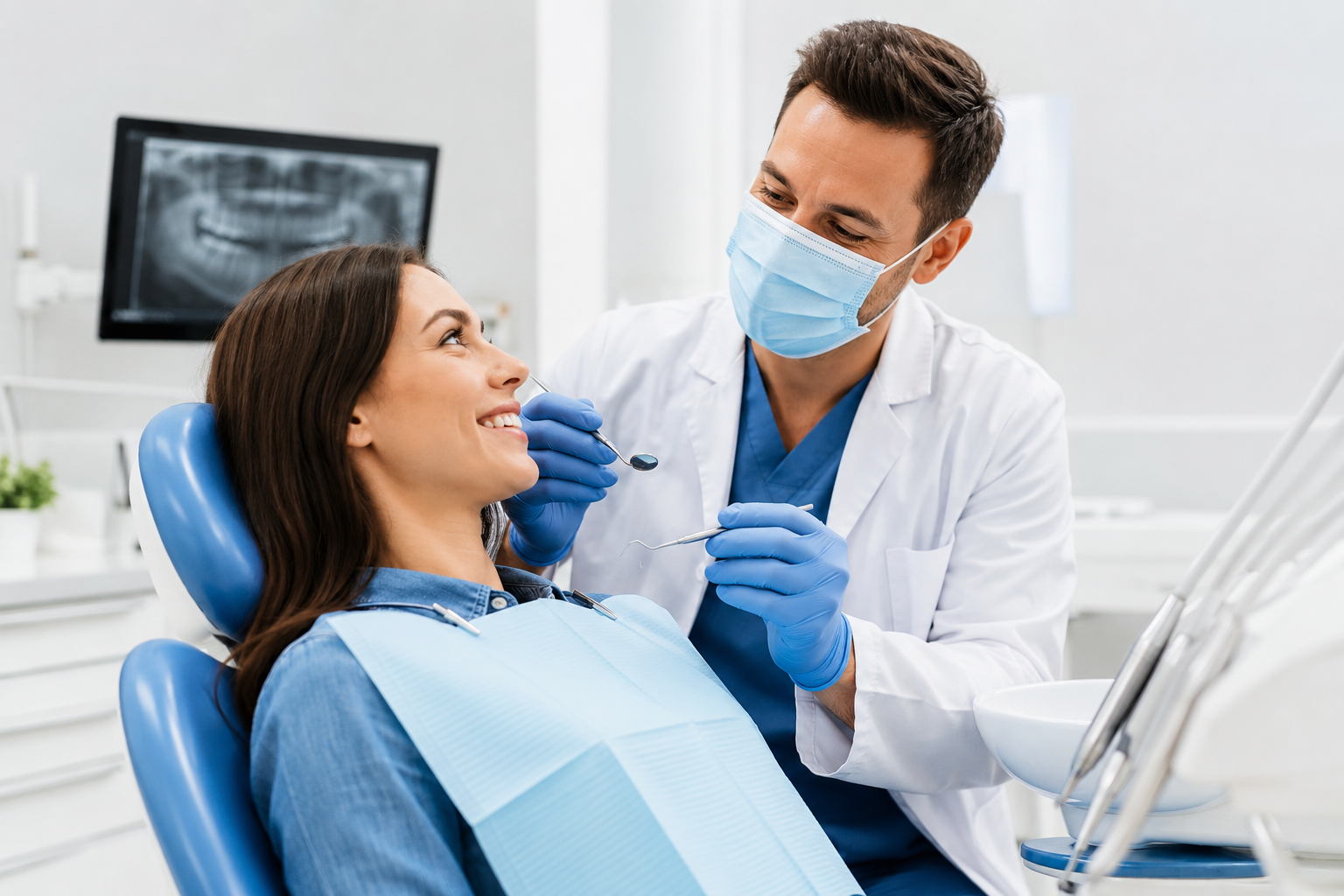
You might wake up feeling groggy, snore loudly, or have someone tell you you pause breathing at night — signs that sleep apnea could be disrupting your health and daily energy. You can find effective, modern sleep apnea treatments in Ashburn that fit your lifestyle, from comfortable oral appliances to coordinated care with medical and dental specialists.
This article explains what sleep apnea is, what may cause it, and how local non-surgical and surgical options work so you can choose the right path. It also guides you through finding a trusted dental sleep expert in Ashburn, what to expect at your first consultation, and simple tips to sleep better each night.
Understanding Sleep Apnea
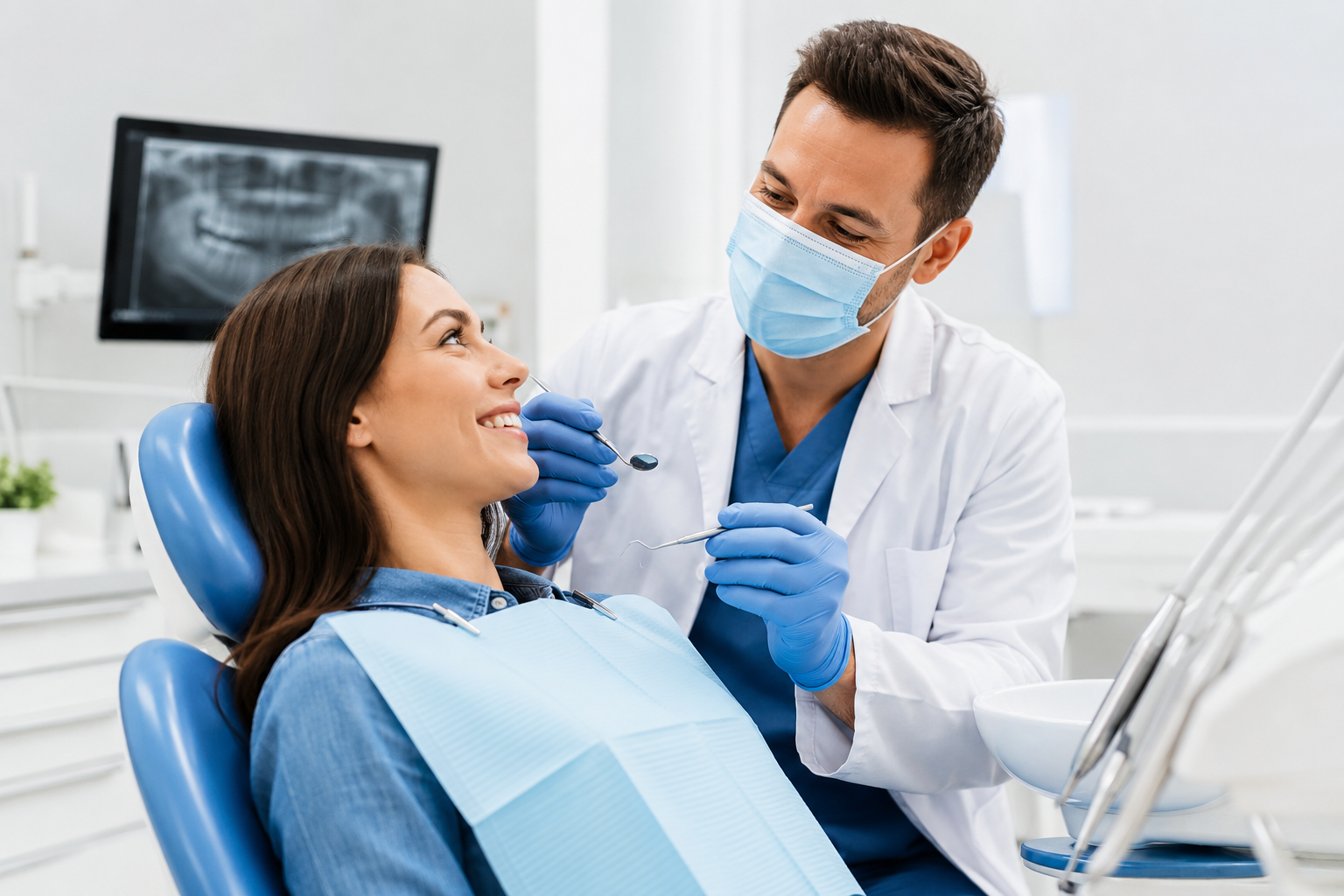
Sleep apnea is a common breathing disorder that disrupts sleep and raises health risks. It affects airflow, oxygen levels, and daytime functioning, and treatment can significantly improve quality of life.
What Happens During Sleep Apnea
Obstructive sleep apnea (OSA), the most common type, occurs when throat muscles relax and partially or completely block the airway during sleep. This collapse reduces or stops airflow for 10 seconds or longer, often dozens or hundreds of times per night.
Each pause triggers a brief arousal so breathing resumes, which fragments sleep architecture and prevents restorative deep and REM sleep. Oxygen levels drop during these events, which stresses the cardiovascular system and raises blood pressure over time.
Central sleep apnea (CSA) is less common and happens when the brain fails to send consistent breathing signals to the muscles. Mixed or complex sleep apnea shows features of both OSA and CSA. Diagnosis typically relies on sleep studies that measure airflow, oxygen saturation, breathing effort, and sleep stages.
Common Signs and Symptoms
Loud, chronic snoring is a hallmark of obstructive sleep apnea but not everyone who snores has OSA. Frequent gasping, choking, or observed pauses in breathing during sleep strongly suggest sleep apnea and warrant evaluation.
Daytime symptoms include excessive sleepiness, morning headaches, trouble concentrating, and mood changes like irritability or depression. Patients may also report dry mouth, sore throat, or nocturia (waking to urinate) more than once per night.
Risk factors that increase likelihood include obesity, large neck circumference, narrow airway anatomy, smoking, alcohol use before bed, and certain medical conditions such as hypertension, type 2 diabetes, and heart disease. Age and male sex raise risk, though women and children can also have clinically significant sleep apnea.
Why Early Diagnosis Matters
Early diagnosis reduces risks linked to untreated sleep apnea, including hypertension, atrial fibrillation, stroke, and metabolic dysfunction. Treating sleep apnea can lower blood pressure, improve glucose control in diabetes, and reduce cardiovascular strain.
Timely intervention also restores sleep quality, which improves daytime alertness, mood, cognitive performance, and overall safety—important for people who drive or operate machinery. Addressing the condition early can prevent progressive weight gain, worsening cardiovascular effects, and diminished quality of life.
Diagnosis methods range from home sleep apnea tests for suspected moderate-to-severe OSA to in-lab polysomnography when results are unclear or when other sleep disorders are suspected. Early evaluation allows tailored treatment choices like CPAP, custom oral appliances, positional therapy, weight management, or surgical options.
Risk Factors and Causes
Several predictable factors increase the chance of developing sleep apnea, many of which are modifiable through lifestyle or medical treatment. Anatomical features, body weight, age, and certain health conditions commonly contribute to airway collapse during sleep.
Contributing Lifestyle Habits
Excess alcohol use relaxes throat muscles and raises the likelihood of airway obstruction during sleep. Drinking within three hours of bedtime and habitual heavy drinking both increase apnea events and worsen snoring.
Tobacco use inflames and narrows the upper airway. Smokers have higher rates of obstructive events and more severe daytime sleepiness compared with non-smokers.
Sedative or opioid medications reduce respiratory drive and muscle tone. Long-term benzodiazepine or opioid therapy can convert mild breathing problems into clinically significant sleep apnea.
Irregular sleep schedules and chronic sleep deprivation worsen airway instability and reduce the body’s ability to recover from interrupted breathing. Night-shift work and frequent jet lag increase risk by disrupting normal sleep architecture.
Medical Conditions Linked to Sleep Apnea
Obesity is the single most common medical risk factor; excess fat around the neck and tongue physically narrows the airway. Each 10% increase in body weight can significantly raise the severity of obstructive events.
Upper airway anatomy—enlarged tonsils, a large tongue, a small jaw (retrognathia), or nasal obstruction from a deviated septum—directly contributes to collapse during sleep. ENT issues often require combined management with dental or surgical therapies.
Endocrine disorders such as hypothyroidism and polycystic ovary syndrome (PCOS) increase soft-tissue swelling and weight gain, compounding apnea risk. Men with untreated low testosterone may also report worsened symptoms.
Cardiovascular and metabolic diseases, including hypertension, heart failure, and type 2 diabetes, commonly coexist with sleep apnea and can form a cycle of worsening health. Treating apnea often improves blood pressure control and glycemic measures.
Who Is Most at Risk
Middle-aged and older adults show higher sleep apnea prevalence because muscle tone declines with age and cumulative weight gain occurs. Men historically have higher rates, though postmenopausal women’s risk approaches men’s risk without hormone protection.
People with a family history of sleep apnea or craniofacial abnormalities face a genetic predisposition. Children with enlarged tonsils or adenoids also appear in pediatric clinics with obstructive events.
Patients with a combination of risk factors—Obesity, nasal obstruction, and sedative use—carry the highest likelihood of moderate to severe apnea. Clinicians in Ashburn, VA often screen patients who report loud snoring, witnessed apneas, and daytime fatigue, especially when multiple risk factors are present.
Impact on Daily Life
Sleep apnea changes how people feel and function each day. It affects energy levels, mood, concentration, and physical health, and it can alter work performance, relationships, and safety.
Effects on Energy and Mood
People with untreated sleep apnea often wake unrefreshed after a full night’s sleep. They may feel daytime sleepiness, struggle to concentrate at work, and need naps to get through the afternoon. This fatigue reduces productivity and raises the risk of mistakes in safety-sensitive jobs like driving or operating machinery.
Mood changes can appear as irritability, increased anxiety, or low-grade depression. Memory lapses and trouble focusing on conversations or tasks become common. Using CPAP, oral appliances, or positional therapy can restore sleep quality, often improving alertness, mood stability, and workplace performance within weeks.
Long-Term Health Consequences
Chronic sleep apnea increases the risk of high blood pressure, atrial fibrillation, stroke, and heart attack. Repeated oxygen drops during sleep strain the cardiovascular system and promote inflammation, which adds to long-term cardiovascular risk. People with diabetes often see worse glucose control when sleep apnea is untreated.
Untreated sleep apnea also contributes to weight gain and metabolic syndrome by disrupting hormones that regulate appetite and insulin. Effective treatment—like CPAP adherence, weight management, or mandibular advancement devices—reduces these risks and improves blood pressure, blood sugar control, and overall long-term health metrics.
Non-Surgical Treatment Options in Ashburn
Patients can find effective, non-invasive ways to manage sleep apnea that focus on breathing support, dental devices, and daily habits. Local clinics offer testing, device fitting, and lifestyle counseling tailored to each patient’s severity, anatomy, and preferences.
CPAP Therapy Advantages
CPAP (continuous positive airway pressure) remains the most consistently effective non-surgical treatment for moderate to severe obstructive sleep apnea. It delivers a steady stream of pressurized air through a mask to keep the airway open during sleep, which directly reduces apneas and improves oxygen levels.
Modern CPAP devices available in Ashburn include auto-adjusting units, quieter motors, and humidifiers to improve comfort. Clinics provide mask fitting, pressure titration—either in-lab or via home sleep testing—and follow-up support to address leaks, skin irritation, and adherence. Insurance often covers CPAP equipment after documented diagnosis; local providers can assist with prior authorization and troubleshooting.
Patients typically notice daytime sleepiness and snoring improve within days to weeks. Ongoing use, nightly and for most of the night, yields the best outcomes for cardiovascular risk reduction and cognitive function. For those struggling with full-night use, options like bilevel positive airway pressure (BiPAP) or ramp features can increase tolerability.
Oral Appliance Therapy
Oral appliance therapy uses a custom-fit dental device that repositions the lower jaw and tongue to widen the airway during sleep. Dentists in Ashburn who specialize in sleep dentistry take dental impressions, perform bite adjustments, and deliver devices FDA-cleared for treating mild to moderate obstructive sleep apnea.
A certified dentist will confirm effectiveness with follow-up sleep testing or home sleep apnea monitoring. Benefits include portability, quieter operation, and higher patient acceptance compared with CPAP for some people. Side effects can include temporary jaw soreness, tooth movement, or changes in bite; these are monitored and managed through periodic adjustments.
Insurance coverage varies, but many plans cover oral appliances when prescribed by a physician and fitted by a qualified dental provider. Dentists coordinate with sleep physicians to ensure a combined medical-dental approach and to monitor treatment efficacy and dental health over time.
Lifestyle Modifications
Lifestyle changes can significantly reduce apnea severity, especially in mild cases or as adjuncts to device therapy. Key measures include weight loss, regular aerobic exercise, positional therapy to avoid supine sleep, and limiting alcohol or sedatives near bedtime.
Smoking cessation improves upper airway inflammation and sleep quality. Addressing nasal congestion with allergy management or ENT evaluation can enhance tolerance of CPAP or oral appliances. Establishing consistent sleep schedules and optimizing sleep hygiene—cool, dark bedroom and screen curfew—helps reduce arousals and daytime sleepiness.
Local Ashburn programs often offer nutritional counseling, supervised weight-loss referrals, and physical therapy for positional therapy devices. Combining behavioral changes with medical devices produces better long-term control than either approach alone.
Surgical Solutions for Severe Cases
Surgical options aim to remove or reposition tissue, widen the airway, and stabilize the jaw or tongue base when non‑surgical treatments have failed. Procedures vary by the anatomical cause of obstruction and the patient’s overall health.
When Is Surgery Recommended
Surgery is usually recommended after a thorough sleep study (polysomnography) and airway evaluation show persistent moderate to severe obstructive sleep apnea (OSA) despite optimal CPAP, oral appliance use, or positional therapies. Candidates include patients who cannot tolerate CPAP long term, have documented airway collapse at specific sites, or suffer serious complications such as severe daytime sleepiness, cardiovascular risk, or uncontrolled hypertension linked to OSA.
Surgeons also consider anatomy: large tonsils, severe nasal obstruction, significant tongue-base collapse, or a retrusive jaw may point toward operative correction. Medical comorbidities, BMI, and smoking status influence risk and expected benefit. A multidisciplinary team—sleep medicine, ENT, and oral/maxillofacial surgery—typically guides the decision.
Types of Surgical Procedures
Common procedures target distinct obstruction sites and can be combined for better results.
Uvulopalatopharyngoplasty (UPPP): Removes excess soft palate and uvula tissue to reduce retropalatal collapse. Best for patients with palatal obstruction and large redundant tissue.
Tonsillectomy/adenoidectomy: Effective when enlarged tonsils or adenoids contribute to airway blockage; often used in adults with pronounced tonsillar hypertrophy.
Hyoid suspension and tongue-base reduction: Move or reduce tongue-base tissue to prevent posterior collapse. Options include radiofrequency ablation for smaller reductions or midline glossectomy for larger obstruction.
Maxillomandibular advancement (MMA): Repositions the upper and lower jaws forward, enlarging the entire airway. Offers high success rates for moderate to severe OSA, especially with craniofacial restriction.
Nasal surgery (septoplasty, turbinate reduction): Improves nasal airflow and CPAP tolerance rather than curing OSA alone.
Hypoglossal nerve stimulation (HGNS): Implantable device that stimulates the nerve controlling tongue position during sleep; suited for CPAP-intolerant patients with specific airway-collapse patterns and a BMI typically under established thresholds.
Surgeons tailor plans based on sleep study data, endoscopic airway mapping, and patient priorities about invasiveness, recovery time, and expected improvement.
Finding the Right Dental Sleep Expert in Ashburn
Patients should look for a dentist with formal training in dental sleep medicine. Many qualified providers list certifications from organizations like the American Academy of Dental Sleep Medicine (AADSM), which signals additional education and adherence to best practices.
Comfort and communication matter as much as credentials. A good dental sleep expert explains treatment options — oral appliances, follow-up care, and when to refer for CPAP or a sleep study — in plain language and listens to patient concerns.
Check practical details that affect treatment success: office location, appointment availability, and whether the practice coordinates with sleep physicians and labs. Insurance acceptance and flexible financing can reduce barriers to starting therapy.
Ask about technology and follow-up protocols. Proven practices use digital impressions, titratable oral appliances, and scheduled follow-ups to monitor effectiveness and comfort, often including home sleep tests or coordination with a sleep physician for objective results.
Use this short checklist when evaluating providers:
- Credentials: AADSM membership or dental sleep medicine courses
- Collaboration: links with sleep physicians and diagnostic testing
- Technology: digital scanning, titratable appliances
- Patient care: clear explanation, comfort-focused approach, follow-up plan
They should invite questions and offer an initial consultation to review history and treatment expectations. Encourage scheduling a visit to discuss options and next steps.
What to Expect During Your First Consultation
A typical first consultation covers medical history, symptom review, a physical exam, and a plan for testing or treatment. Patients leave with clear next steps, a timeline, and options for treatment tailored to their lifestyle and anatomy.
The Evaluation Process
The clinician reviews sleep symptoms, daytime sleepiness scores (like the Epworth Sleepiness Scale), and medical history including hypertension, diabetes, and medications that affect breathing. They ask about bed partner observations—snoring, gasping, witnessed pauses—to gauge severity and likely apnea type.
Next comes a focused airway and oral exam. The provider inspects the palate, tongue size, neck circumference, and nasal passages to identify anatomical contributors. For many patients, the practice will recommend a home sleep test or an in-lab polysomnography depending on comorbidities and suspected severity.
The team explains the testing timeline and what to expect during a sleep study: how sensors attach, typical overnight routines, and when results arrive. They document lifestyle factors—alcohol, tobacco, weight, sleep schedule—and discuss short-term measures like positional therapy or nasal sprays if applicable.
Questions to Ask Your Provider
Patients should ask which type of sleep test the practice recommends and why, plus how long it takes to get results. Clarify insurance coverage, estimated out-of-pocket costs, and whether pre-authorization is required for testing or CPAP devices.
Ask about treatment options tailored to exam findings: CPAP settings and mask types, oral appliance therapy from a qualified dentist, positional therapy, referral for ENT evaluation, or surgical options if anatomy suggests benefit. Request expected timelines for each option and success rates specific to the clinic.
Probe about follow-up protocols: how often the team reviews progress, who adjusts therapy settings, how side effects are managed, and how they measure treatment adherence. Finally, ask about comfort supports—mask fitting services, ramp pressure features, or trial appliance fittings—to ease the transition to therapy.
Tips for Enhanced Comfort and Better Sleep
Small, consistent changes at home and to the sleep environment can make CPAP or oral appliance therapy more comfortable and effective. Focus on mask fit, dry mouth prevention, daily routines that reduce nasal congestion, and bedroom setup to minimize disturbances.
Home Habits That Support Treatment
Encourage patients to clean CPAP masks and water chambers daily with mild soap and rinse thoroughly to prevent skin irritation and bacterial buildup. Replace filters and masks on the schedule recommended by the device maker or the dental/sleep clinic to maintain airflow and seal integrity.
Suggest using a heated humidifier or a heated tubing attachment to reduce nasal and throat dryness; raise humidification gradually until comfort improves without causing condensation (“rainout”). Recommend saline nasal spray or a steroid nasal spray when allergic inflammation contributes to congestion — but advise they consult their provider before starting prescription sprays.
Promote a consistent bedtime routine that includes avoiding heavy meals, alcohol, and sedatives within three hours of sleep. Encourage weight management, smoking cessation, and limiting daytime naps to support overall treatment effectiveness and reduce apnea severity.
Positioning and Environment Suggestions
Recommend sleeping on the side or using a wedge pillow to keep the head and neck aligned; positional therapy devices can help patients who have mostly positional apnea. Elevate the head of the bed 4–6 inches to reduce airway collapse and reflux without creating neck strain.
Advise maintaining bedroom temperature between 60–67°F (15–19°C) and using blackout curtains or a white-noise machine to reduce awakenings. Keep CPAP tubing constrained with a simple hose holder or ceiling clip to prevent tugging on the mask during positional changes.
Encourage regular linen washing and dust-mite covers on pillows and mattresses to reduce allergic triggers. If mask leaks persist, schedule a follow-up for refitting or consider nasal pillows, hybrid masks, or an oral appliance adjustment to improve seal and comfort.
Supporting Long-Term Success
Effective long-term management hinges on regular monitoring, timely device adjustments, and clear communication between the patient and care team. Consistent follow-up and a collaborative relationship help maintain comfort, adherence, and meaningful symptom improvement.
Follow-Up Care and Adjustments
Patients should expect a structured follow-up schedule after starting CPAP, oral appliance, or surgical therapy. Typical timing includes a 1–4 week check to review tolerance, a 3-month visit to assess objective adherence and symptom changes, and biannual or annual exams to re-evaluate device fit and treatment effectiveness.
During visits, clinicians review nightly device data, mask seal, pressure settings, or bite changes for oral appliances. They also screen for side effects such as skin irritation, dry mouth, nasal congestion, dental shifting, or jaw pain.
When problems appear, specific interventions address them: mask swaps and cushion changes for leaks, humidifier adjustments for dryness, pressure re-titration for persistent apneas, and appliance refinements or referral to dental specialists for bite issues. If objective data show insufficient control, they may order a repeat sleep study or consider alternative therapies.
Clear documentation and patient education materials improve adherence. Patients should bring devices or logs to appointments and report new symptoms promptly for timely corrections.
Building a Strong Patient-Provider Partnership
Successful outcomes depend on transparent goals, shared decision-making, and ongoing education. Clinicians explain expected benefits (reduced daytime sleepiness, lower AHI), potential side effects, and realistic timelines so patients know what to expect and when to seek help.
Providers use simple tools—treatment checklists, comparison charts of device options, and step-by-step troubleshooting guides—to empower patients to manage nightly use confidently. They also invite questions about comfort, lifestyle fit, and insurance coverage to reduce barriers.
Regular, empathetic communication reinforces adherence. Teams schedule follow-ups, send device-summary reports, and offer remote coaching or telehealth for quick adjustments. When patients feel heard and supported, they report higher satisfaction and stay on therapy longer.
Encourage patients to call with concerns, bring sleep partners’ observations, and request demonstrations or fittings until they feel comfortable. This collaborative approach helps tailor long-term plans to each person’s needs and lifestyle.
Encouragement for Starting Your Treatment Journey
They often feel relief once they decide to address sleep apnea, because effective options exist that fit many lifestyles. Small steps—like scheduling a consultation—make the process manageable.
A friendly dental team in Ashburn can explain testing and treatment without jargon. They will tailor options such as CPAP, oral appliance therapy, or positional strategies to the patient’s needs and comfort.
Patients frequently worry about adjustment and cost. Staff can discuss financing, insurance, and trial periods so people know what to expect and can choose confidently.
Starting treatment improves daily energy, mood, and overall health for many people. Even modest improvements in sleep can reduce daytime sleepiness and improve concentration.
Ask about a comfortable trial device or a stepwise plan to ease into therapy. They can provide follow-up visits and adjustments to ensure the treatment fits the patient’s routine.
Consider bringing a partner or family member to appointments for support and to share observations about sleep behavior. That input often helps clinicians refine a treatment plan more quickly.
If doubts remain, they should request educational materials or a brief phone consultation. Clinics in Ashburn typically welcome questions and make next steps clear and simple.
Frequently Asked Questions
This section answers practical concerns about diagnosing and treating sleep-disordered breathing in Ashburn, VA. It covers signs to watch for, what testing entails, alternatives to CPAP, how oral appliances work, expected timelines for improvement, and what to bring to the first appointment.
How can I tell if my snoring is a sign of a bigger sleep breathing problem?
Loud, frequent snoring with choking, gasping, or witnessed pauses in breathing suggests obstructive sleep apnea (OSA).
Daytime sleepiness, morning headaches, concentration problems, and high blood pressure increase the likelihood of a clinically significant sleep-breathing disorder.
What does a sleep study involve, and can it be done at home?
A diagnostic sleep study measures breathing, oxygen levels, heart rate, and sleep stages to confirm OSA and severity.
Many patients in Ashburn qualify for a home sleep apnea test (HSAT) that uses portable equipment over one night; more complex cases may require an in-lab polysomnography for detailed evaluation.
If I can’t tolerate CPAP, what other comfortable treatment options are available?
Custom oral appliance therapy (OAT) is a common alternative that repositions the lower jaw to keep the airway open during sleep.
For select patients, positional therapy, weight management, nasal or palatal procedures, and hypoglossal nerve stimulation offer additional options depending on anatomy and severity.
How does a custom oral appliance work, and will it feel bulky or affect my bite?
A custom oral appliance holds the lower jaw slightly forward to maintain airway patency and reduce airway collapse.
Modern devices are made from low-profile materials and are slimmer than older models; most patients adapt within a few nights to weeks, though mild jaw or tooth soreness can occur and usually resolves or is managed with adjustments.
What results can I realistically expect, and how soon might I notice better sleep and energy?
Many patients notice reduced snoring and fewer awakenings within days to weeks of starting a properly fitted oral appliance.
Objective improvements in oxygen saturation and reduced apnea events appear on follow-up testing within weeks; daytime energy and concentration often improve over a month with consistent use.
What should I bring to my first visit, and what are the next steps to get started?
Bring a list of current medications, previous sleep study results (if any), and a recent dental history including impressions or records when available.
The clinician will review symptoms, perform an airway and dental exam, recommend testing if needed, and discuss a personalized treatment plan with timelines, costs, and follow-up appointments.